Furnished apartment edit
Selected chairs, wardrobes, beds and boxes removed while artwork, fitted pieces and retained household contents stay clearly protected.
Selective clearances for homes and professional rooms
Marylebone jobs often require precision rather than a rapid empty-out. We record what stays, distinguish confidential or clinical material, and plan the carrying route through shared halls, basement stores and managed entrances.
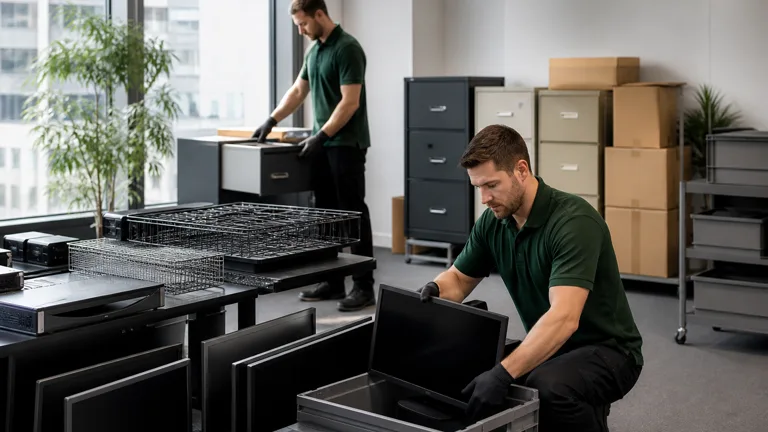
Marylebone clearance types
Selected chairs, wardrobes, beds and boxes removed while artwork, fitted pieces and retained household contents stay clearly protected.
Freestanding desks, seating and storage assessed separately from records, medicines, sharps or any material requiring a specialist route.
Archived boxes, furniture and accepted loose contents sorted before being carried up narrow stairs or through common service areas.
Selective means documented
Marylebone apartments, consulting rooms and offices may contain valuable furnishings beside items that are genuinely unwanted. A verbal direction such as “clear the old pieces” leaves too much room for error. Make a room-by-room list, place an unambiguous label on retained items and remove documents, keys, medication and valuables before attendance.
The building matters too. A basement vault, porter-controlled block or upper consulting room can introduce steps, lift limits and restricted working hours. Photograph the load where it sits, then show the whole route to the street. State who can authorise decisions and whether reception, patients, residents or deliveries will use the same space during the collection.
Decision and handling matrix
| Area | Possible contents | Evidence needed | Keep separate |
|---|---|---|---|
| Furnished apartment | Beds, tables, bags and boxes | Room list, labels, floor and lift | Valuables and retained furnishings |
| Consulting room | Desk, chairs and freestanding cabinet | Access window and business waste description | Records, medicines and clinical waste |
| Office | Workstations, shelving and equipment | IT count, service route and loading rule | Data-bearing devices and batteries |
| Basement store | Archive boxes and household storage | Stairs, headroom, damp and item weight | Liquids and unidentified containers |
Clinical waste, sharps, medicines, asbestos, chemicals, gas cylinders, paint and unidentified liquids cannot be concealed in general bags. Declare them before ordinary clearance is arranged.

Shared and professional buildings
Agree a quiet or permitted collection period with the building contact. Reception desks, waiting areas, communal corridors and fire doors must remain usable. Provide lift dimensions, porter instructions, keys and service-door details. Waste must not be staged in a public hallway while the crew waits for authority.
For basement areas, show every step, ceiling restriction and door. Check for damp packaging, broken glass or unidentified containers without opening unsafe material. Our basement clearance service is suitable for accessible accepted contents, but tanks, pipework, building fabric and hazardous substances require separate assessment.
Guide pricing
From £55
From £120
From £180
From £240
Guide bands indicate a likely starting point. The final price reflects actual volume, weight, material and labour. Floors, basement stairs, long internal routes, dismantling, porter restrictions and time-controlled access can affect the work even when the pile is modest. Applicable supplementary charges are confirmed before loading.
Dense renovation debris is not priced like files, furniture or packaging. Describe tile, rubble, plaster and soil independently, with quantities and photographs. If contractors created the load, use builders clearance so weight and material restrictions are considered correctly.
A documented handover
Prepare photographs and a written schedule. Number rooms if the property layout is complex. Count bags and electrical items, measure bulky furniture and identify dense or fragile-looking loads. For professional premises, state what activity produced the waste; a closed box of ordinary stationery is not handled on the same assumption as clinical or confidential material.
We assess the accepted contents, route and labour. At attendance, one nominated person confirms the items and receives the final quote before loading. The team does not interpret disagreements between an owner, tenant, agent or employee. Any uncertain object remains in place until clear authority is available.
List removals by room and label everything that remains.
Isolate records, medicines, liquids, batteries and restricted items.
Arrange the porter, reception, lift and service-access window.
Nominate one person to confirm the quote and final scope.
Records and electrical equipment
Remove confidential files or place them into an approved destruction process before the ordinary collection. Data-bearing computers, drives and phones need the organisation’s own secure handling decision. List monitors, printers and other electrical items separately because their waste route differs from general office furniture.
Medicines, sharps, samples and clinical consumables must remain outside the general load and follow an appropriate specialist service. Once sensitive material is removed, accepted desks, chairs and freestanding storage can be considered through office clearance. Household tables, wardrobes and beds can be planned through furniture disposal after access is measured.
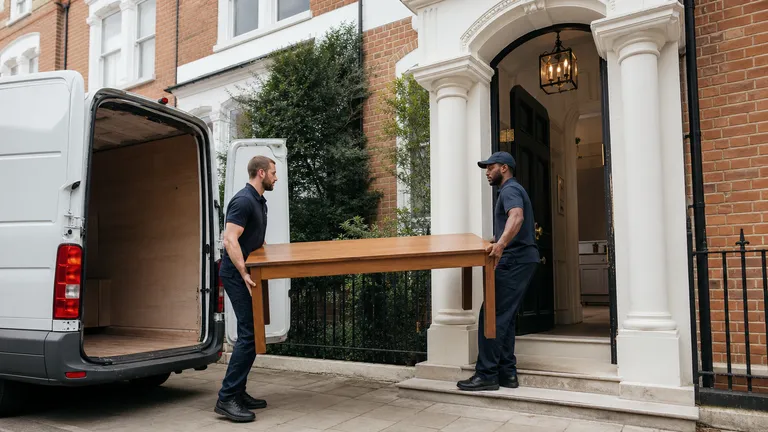
Around Marylebone
Marylebone questions
Use clear labels and a room schedule, then have one authorised person walk through the final scope with the crew.
Accepted ordinary furniture may be assessed, but clinical waste, medicines, sharps and sensitive records require appropriate separate handling.
Identify each item in advance. The organisation must first address confidential data, and electrical equipment may require separate treatment.
Yes, subject to safe access and accepted contents. Show stairs, headroom, damp conditions and any unusually heavy boxes.
Follow the building’s rules and arrange the permitted lift, service door or loading time before the crew attends.
No. Ownership and removal authority must be clear. An uncertain or disputed item should remain until the client confirms it.
Items may need careful identification and carrying around retained furnishings, with shared routes protected throughout the work.
Make every decision visible
Send the room schedule, access route, sensitive-material exclusions and name of the person authorised to approve the collection.