Apartment move-out
Furniture, boxes and bagged contents cleared from a defined flat while shared halls, lifts and retained landlord items remain undisturbed.
Timed collections for flats, hotels and compact streets
Paddington rubbish removal works best when the collection window, building entrance and vehicle position are treated as one plan. We assess domestic and commercial loads before attendance, including stairs, lifts and service access.
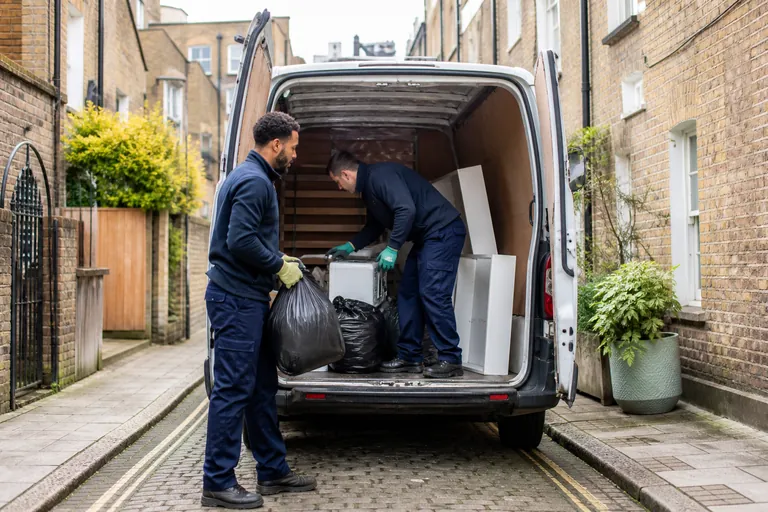
Paddington logistics
A building close to the station may have guests arriving at the front, deliveries at the side and waste leaving through a basement service corridor. Nearby mansion blocks can require porter approval or a reserved lift. Mews properties and converted terraces add narrow doors, steps and short streets where an unsuitable vehicle position quickly inconveniences neighbours.
Tell us where the items are, which entrance the crew must use and when that route is available. Photograph the load before moving it, then add the lift, staircase, service door and likely stopping point. Include floor numbers, entry codes and any loading-bay booking. This information allows the collection to be organised around the actual building rather than its postcode alone.
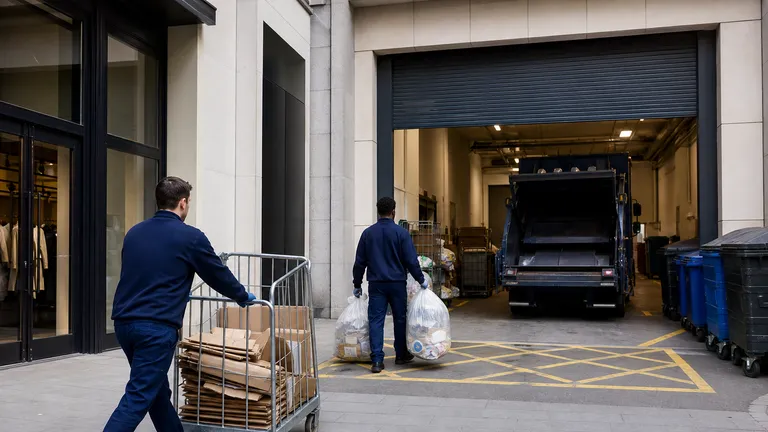
Managed buildings
Confirm building procedures before choosing the appointment. Some lifts are available only at particular times; others require protection, an operator or a separate service entrance. Share the name of the building contact and make sure keys or codes will work. The crew cannot leave waste in a corridor while access is resolved.
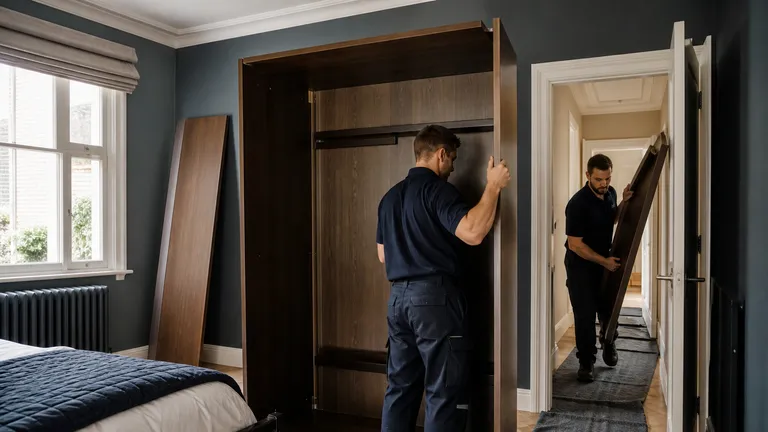
Measure large furniture against the smallest lift or stair turn. If an item needs agreed dismantling, show its construction and dimensions. Appliances must be safely disconnected in advance. For a complete apartment rather than selected pieces, consult our flat clearance service so rooms and retained contents can be recorded clearly.
Typical local instructions
Furniture, boxes and bagged contents cleared from a defined flat while shared halls, lifts and retained landlord items remain undisturbed.
Approved mattresses, small furniture and non-hazardous contents collected within a housekeeping or service-access window.
Shelving, packaging, furniture and accepted equipment grouped away from food, liquids, chemicals and live customer routes.
Collection briefing table
| Premises | Common load | Access evidence | Point to confirm |
|---|---|---|---|
| Mansion block | Furniture, bags and boxed contents | Floor, lift size and porter procedure | Permitted collection window |
| Converted terrace | Bed, sofa and household items | Steps, narrow hall and stair turns | Which items belong to the booking |
| Mews property | Room or refurbishment contents | Door width and realistic vehicle position | Neighbour and gate access |
| Hotel, office or café | Furniture, packaging and equipment | Service corridor, bay and trading route | Waste source and restricted material |
Food, oil, chemicals, paint, gas cylinders, clinical waste, asbestos and unidentified liquids must not be mixed into ordinary bags. Declare them before the collection is accepted.
A controlled handover
Create one list for each room or operational area. Count bags, name bulky furniture and identify electrical or unusually heavy items. Photographs should show the complete group, not only a close view that hides scale. If contractors or housekeeping staff may add material, set a cut-off and send an updated image.
We assess volume, weight, material and carrying route, then arrange attendance. One authorised person identifies the agreed load on site and receives the final quote before loading. The crew removes accepted loose contents only; repairs, deep cleaning, fixed fittings and disconnection work are not silently included in a rubbish collection.
List each room, bag group, bulky item and electrical appliance.
Show the lift, stairs, service entrance and vehicle position.
Confirm porter, key, bay and permitted access time.
Approve the final load and quote before the crew begins.
Paddington price guide
From £55
From £120
From £180
From £240
The bands provide an initial guide, not a fixed price for every property. The final quote reflects actual volume, weight, material type and labour. Floors, lift limitations, dismantling, long corridors, a distant legal stopping point or restricted access can change crew time. Applicable supplementary charges are explained before loading.
Dense refurbishment waste must be assessed separately from packaging or furniture. Tiles, rubble and soil can exhaust a weight allowance while occupying little space. Photograph and describe those materials, and use builders clearance when the job comes from building work.
Hospitality and short-stay properties
For hotels and serviced accommodation, identify the rooms included and keep guests’ luggage, linen and reusable stock elsewhere. Mattresses should be dry, accessible and listed individually. Freestanding furniture can be assessed for removal, but fixed headboards, plumbing, wiring and built-in joinery require prior specialist work.
Operational waste needs its own description. Keep food, oil, cleaning products, batteries and electrical equipment apart from ordinary furniture and packaging. For a recurring requirement, discuss the waste stream rather than repeatedly presenting an unlabelled mixed pile. One-off desks and workplace contents may suit office clearance, while bulky room pieces can use furniture disposal.
Near Paddington
Paddington questions
Yes, when the premises authorises it and the route, timing, bay and contact procedure are provided before attendance.
Follow the building rules. Confirm the permitted time and lift dimensions, and arrange protection or porter operation when required.
They can be assessed when counted, photographed and accessible. Keep linen and retained room contents clearly separate.
No disconnection should be assumed. Plumbing, gas and electrical appliances must be made safe by an appropriate person beforehand.
Show the correct side or service entrance and the route from it. Include keys, codes and the lawful vehicle position.
Potentially, but identify the source and contents of each group. Restricted, liquid, electrical and food waste must remain separate.
It can reduce the available working time and add labour. Arrange a reliable contact and access window before the crew arrives.
Coordinate the building
Send the item list, correct entrance, floor or service route, building contact and available loading time together.