Flat above premises
Bagged household contents and furniture carried through stairs shared with another occupier.
Flats, studios, shops and hospitality premises
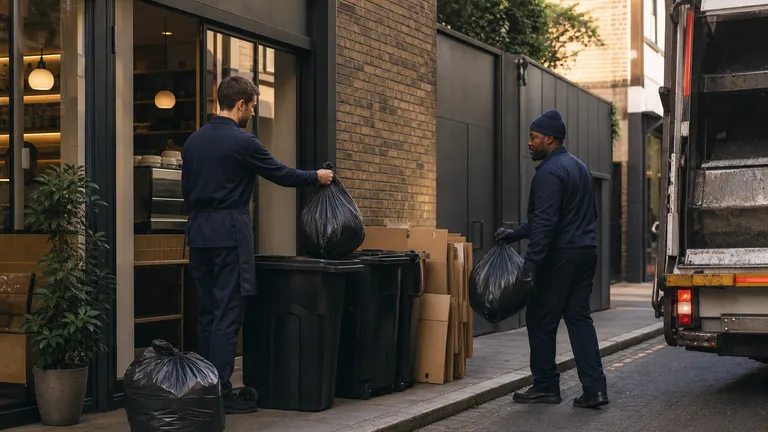
Soho rubbish removal frequently involves short collection windows, upper floors and service entrances shared with day-to-day deliveries. A useful booking explains when the material is ready, where it is stored and how the crew can move it without obstructing customers or neighbours.
Local planning
A collection from a Soho flat above commercial premises is different from a ground-floor shop clearance, even when the vehicle space is similar. The flat may have narrow stairs and no lift. The shop may require work before opening or after a delivery period. A studio or office can have equipment and confidential material mixed among ordinary furniture. Describe the actual setting rather than relying on the street name.
Send wide photographs of the full load and close views of heavy or awkward items. State the floor, stair turns, lift availability and the door the crew is expected to use. If access passes through an operating business, confirm the collection window with the responsible person and keep escape routes clear.
Common situations
Bagged household contents and furniture carried through stairs shared with another occupier.
Accepted furniture, packaging and non-hazardous back-of-house material prepared away from food and customer routes.
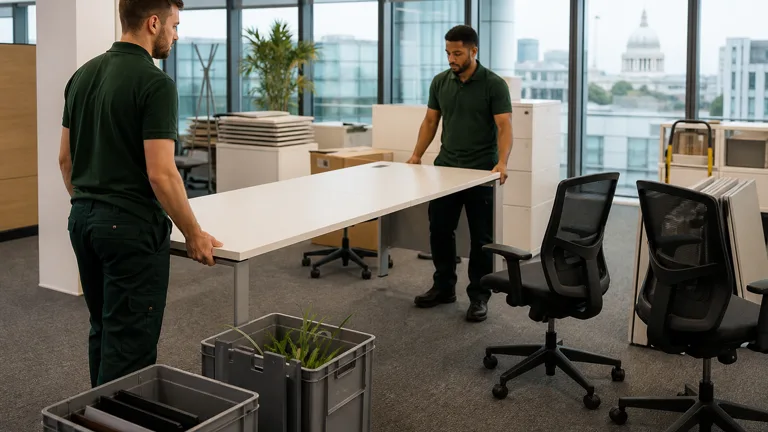
Desks, shelving, chairs and boxed contents separated from equipment that is staying.

Property access
Busy central streets and short kerb opportunities make the outside carry important. Identify a realistic legal loading point and the distance from the service door. Do not put bags on the pavement in anticipation of the crew. If a business controls a rear gate, shutter or internal lift, arrange someone who can open it throughout the agreed window.
Inside, avoid overfilling bags with glass, metal or dense refurbishment material. Mark sharp edges and keep unstable objects apart. Large counters, shelving and tables should be measured; removal of fixed installations is not automatically included. Where several tenants share the route, decide how the collection will proceed without blocking their access.
Material check
Flattened cardboard, general bagged waste, freestanding furniture and declared project debris should appear as separate groups in the enquiry. This gives a clearer picture of both space and weight. Refrigerated equipment, batteries, chemicals, gas cylinders, oils, clinical waste and unknown containers need specific identification and may require another route.
For desks and workplace contents see office clearance. A few bulky pieces may suit furniture disposal, while accepted refurbishment debris should be described through builders clearance. Do not combine restricted material with an ordinary mixed load.
| Collection detail | Why it matters | What to send |
|---|---|---|
| Full load | Sets volume and vehicle space | Wide current photographs |
| Dense material | Weight may limit capacity | Contents and bag count |
| Bulky pieces | Changes handling and route | Dimensions and door turns |
| Access | Affects labour and timing | Floor, stairs, lift and carry |
Collection sequence
Nominate a contact who knows what goes and can answer questions when the crew arrives. Send current photographs, material descriptions and the full access note. A guide estimate follows the stated load; the team then compares the items on site and confirms the final quote before loading.
Keep personal possessions, stock and working equipment physically separate. If a collection crosses several floors, label each area and mention whether the lift can carry bulky items. Report additions before attendance. The crew removes accepted material and can sweep the immediate cleared area where practical, but cleaning grease, dust, stains or building residue is outside a standard collection.
Guide prices
From £55
From £120
From £180
From £240
These are guide prices. The final quote depends on volume, weight, waste type, access, labour, vehicle position and applicable supplementary charges. It is confirmed before loading.
Soho questions
An early collection may be possible subject to availability and confirmed access. Give the precise usable window when enquiring.
Yes, subject to safe access. Explain the floor, shared staircase, doorway turns and where the vehicle can load.
Describe food-related and general waste separately. Leaking or poorly contained material should not be hidden among furniture or cardboard.
A responsible contact should provide access and approve the final quote. Remote attendance may be possible only when those arrangements are clear.
Fixed installations are not automatically included. Explain how the shelving is attached and arrange appropriate disconnection or removal where required.
Tell the team immediately. A longer carry or unusable access point can alter labour, timing and the collection plan.
Send a clear account of the job
Include photographs, access details and your preferred collection window.