Converted-flat move
Beds, desks, boxes and bags removed from named rooms through a staircase shared with other residents.
Converted terraces, basement vaults and compact business premises
Islington collections frequently cross a shared hallway or begin below street level. We identify ownership, access and the lawful loading position before removing household, office or refurbishment contents.

Common Islington briefs
Beds, desks, boxes and bags removed from named rooms through a staircase shared with other residents.
Accessible stored contents carried up steps after lighting, headroom, damp and container types are documented.
Furniture, shelving and accepted equipment collected in a permitted service window, away from live customer routes.
Islington’s shared spaces
One converted terrace can contain several homes, a lower-ground entrance and bins used by different occupiers. Mansion flats add porters or lift rules, while small shops and offices often depend on short delivery windows. A collection must identify exactly who owns the material and how it reaches the vehicle without obstructing neighbours or customers.
Photograph each load where it is stored and label the flat, room, vault or business area. Then show stairs, corridors, gates and the likely vehicle position. State the floor, entry procedure and collection window. Do not build a temporary pile by a communal door: it can block fire routes and makes ownership harder to verify.
Islington planning matrix
| Location | Likely contents | Access evidence | Preparation |
|---|---|---|---|
| Upper converted flat | Furniture, bags and boxes | Floor, stair turns and shared door | Label retained and neighbouring property |
| Lower-ground flat | Bed, sofa and household items | External steps, gate and headroom | Keep pavement and lightwell clear |
| Basement vault | Storage boxes and loose contents | Lighting, damp, steps and container condition | Isolate liquids and unknown material |
| Shop or office | Desks, shelving, displays and equipment | Service entrance and permitted time | Separate electrical and confidential waste |
Paint, chemicals, fuel, gas cylinders, asbestos, clinical waste and unidentified liquids must not enter general bags. Declare them so acceptance can be assessed separately.
Entrances and kerb space
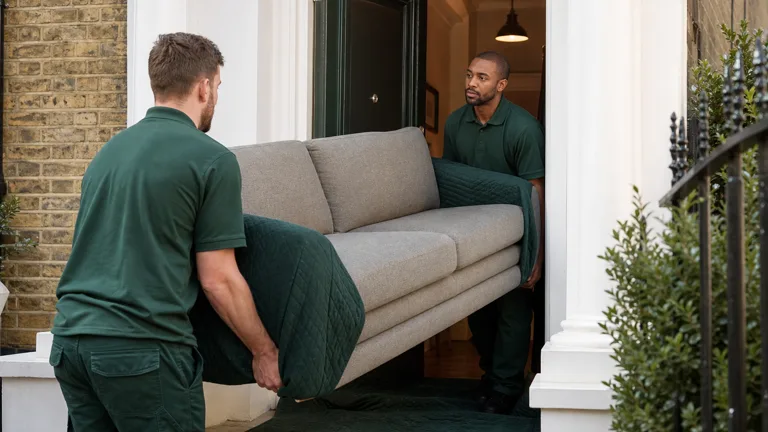
Provide the actual entrance, including side-street or rear access, rather than relying on the postal address. Show parking controls, gates and the carrying distance. If a building manager, porter or commercial landlord controls access, arrange keys, codes and any lift or bay booking before attendance.
Inside a conversion, keep shoes, bicycles and personal possessions away from the route without moving rubbish into another resident’s area. Measure large sofas and wardrobes against the narrowest turn. For a multi-room tenancy clearance, our flat clearance service helps document retained fixtures and the rooms included.
Clear guide prices
From £55
From £120
From £180
From £240
The price bands support initial planning. The final quote reflects actual volume, weight, material and labour. Floors, narrow turns, external basement steps, dismantling, long carries and timed commercial access can affect the collection. Any applicable supplementary charge is explained before loading begins.
Renovation sacks should be identified by material rather than described as general waste. Tile, rubble, plaster and soil are dense. Provide quantities and photographs and use builders clearance for suitable project debris.
A reliable collection brief
Send wide views of each group and close photographs of dense sacks, appliances and awkward furniture. Count bags, name electrical items and state which occupier or business produced the waste. For basement containers, do not open anything unsafe merely to identify it; isolate questionable material and report what can be seen.
We review volume, weight, material and access. At attendance, one authorised person confirms the final scope and receives the quote before loading. If another resident or contractor adds items, they must be reassessed. The crew does not remove uncertain communal property or interpret disputes between occupants.
Label each group by flat, room, vault or business.
Document stairs, gates, service doors and vehicle distance.
Keep electrical, dense, confidential and restricted material visible.
One responsible person approves the scope before loading.
Vaults and small premises
Basement and pavement-vault storage can become damp, causing boxes to split and labels to disappear. Show the condition and keep loose glass or sharp items contained. Do not combine old paint, cleaning chemicals, fuel or unidentified liquids with household bags. Fixed services, coal chutes and building fabric are not loose contents.
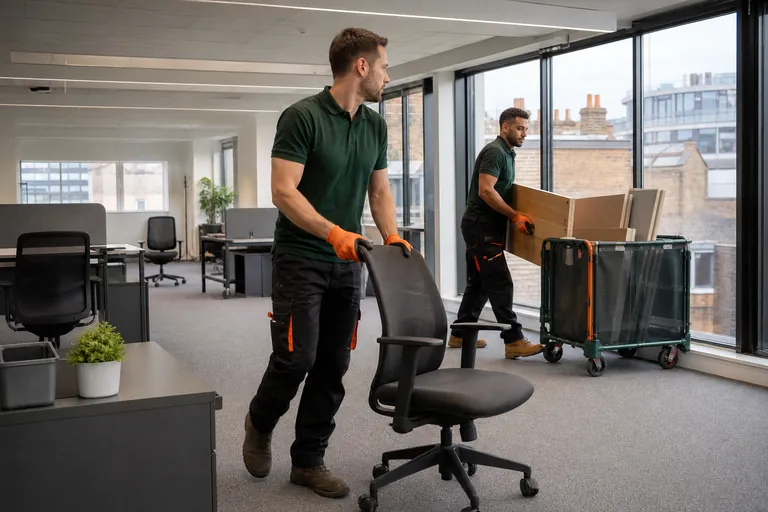
Offices and shops should remove confidential documents and address data-bearing devices before collection. List monitors, printers and batteries separately. Accepted desks, seating and freestanding storage may suit office clearance; domestic bulky pieces can be planned through furniture disposal.
Near Islington
Islington questions
Yes, subject to a safe shared staircase. State the floor and show turns, landings and the entrance.
No. Keep fire routes and neighbours’ access clear. Leave items in their documented rooms until collection.
Accepted loose contents can be assessed when steps, lighting, damp and container condition are shown.
Keep them separate and do not hide them in bags. Report visible labels or condition so handling can be checked.
They can be assessed together when ownership, source and material groups are identified separately.
Fixed fittings and extensive dismantling are not assumed. Show the construction and request a specific assessment.
Do not include them without authority. Send an updated scope because ownership, volume and price may change.
Identify the occupier and entrance
Send labelled load photographs, the exact access route, floor or basement details and the realistic loading position.