Lower-ground flat
Bags and furniture carried up external or internal steps after headroom, handrails and the final gate have been checked.
Careful carrying through distinctive shared buildings
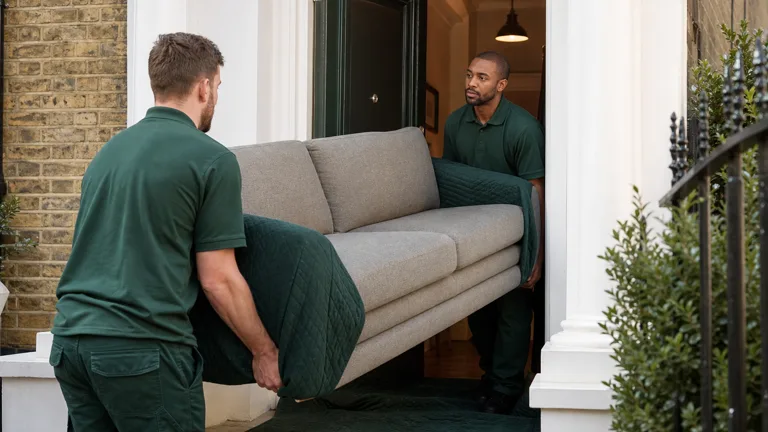
Notting Hill clearances frequently begin behind steps, railings or a communal front door. We assess the exact route, protect shared access and identify awkward pieces before the crew is committed.

Read the property first
Converted townhouses and mansion flats can hide several practical constraints behind one street address. The collection may start below pavement level, pass beneath a low ceiling, turn on a half landing and finish beyond entrance steps and railings. In a shared building, the route also belongs to neighbours who still need to enter and leave.
Send photographs from the item outward rather than only a picture of the final pile. Include basement steps, stair turns, lift interiors, door widths and the point where a vehicle might legally stand. Mention delicate flooring or building rules, but remove or protect personal objects yourself. This creates a usable carrying plan without promising that every large item will fit intact.
Notting Hill property patterns
Bags and furniture carried up external or internal steps after headroom, handrails and the final gate have been checked.
Selected contents removed through shared halls while neighbours’ doors, fire routes and retained furnishings remain protected.
Displays, packaging, furniture and accepted electrical items listed separately and collected within an agreed access period.
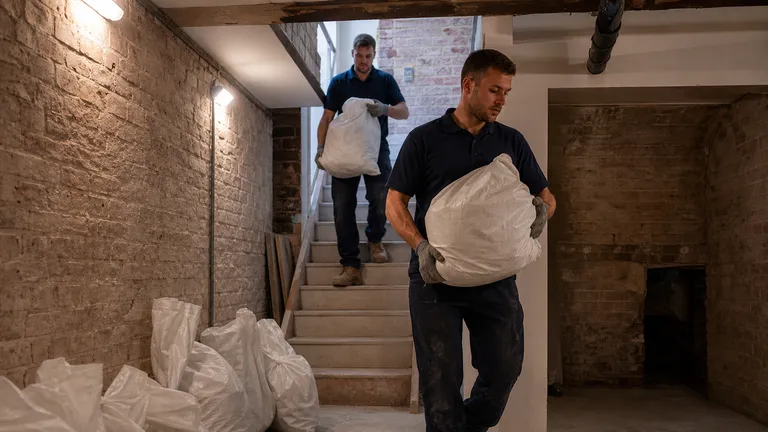
Basements and shared stairs
External basement stairs can be steep, exposed to weather and constrained by railings. Clear loose plant pots, bicycles and small obstacles, then photograph the full flight. Do not ask the crew to pass heavy furniture over a railing or use an unsafe shortcut. Internal communal stairs need adequate width and light, with landings kept free from stored bags.
Where furniture cannot pass intact, agreed dismantling may be considered after photographs and dimensions are reviewed. Upholstered pieces and mattresses need enough turning space; fitted cabinetry, plumbing and electrical connections require appropriate prior work. For multiple rooms, our house clearance service helps organise the inventory and decision-making.
From inventory to handover
List items room by room and mark anything that must remain. Open drawers and cupboards yourself so documents, jewellery, keys and medicine are not removed accidentally. Wide photographs establish volume; closer views identify dense bags, fragile-looking pieces and objects that may need two-person handling.
We review the load and route, then arrange a suitable visit. The responsible person meets the crew or provides an agreed access arrangement and identifies the final scope. A quote is confirmed before loading. If absent owners, agents or contractors disagree about an item, it stays until authority is clear; speed is not a reason to remove uncertain property.
List each room and label every item that stays.
Show basement steps, landings, doors and vehicle distance.
Arrange keys, porter access, lift times and clear common parts.
One authorised person approves the quote before loading.
Selective and end-of-tenancy work
Use coloured labels or a written room schedule when only part of a furnished property is being cleared. Remove art, loose ornaments and personal records from the carrying route. Photograph meter cupboards or fixed fittings only when relevant; the crew does not treat attached building fabric as ordinary loose waste.
At tenancy end, separate landlord fixtures from the tenant’s unwanted contents and confirm who has authority to instruct removal. Mattresses, bed frames and freestanding furniture can be described through furniture disposal. Deep cleaning, repairs and inventory inspection are different services and should not be assumed within the collection.
Property-specific checklist
| Collection location | Typical items | Route evidence | Preparation |
|---|---|---|---|
| Lower-ground flat | Bags, sofa, bed frame | Steps, headroom, gate and pavement level | Keep external stairs dry and clear |
| Upper converted flat | Furniture and boxed contents | Floor, stair turns and communal door | Notify building contact if required |
| Mansion block | Room contents and appliances | Lift dimensions and porter procedure | Reserve the permitted access window |
| Shop or studio | Displays, chairs and packaging | Trading hours and service entrance | Separate business and electrical waste |
Restricted material must never be disguised in ordinary bags. Declare paint, chemicals, fuel, gas cylinders, asbestos, clinical items and unidentified liquids before attendance.
Transparent guide
From £55
From £120
From £180
From £240
Guide prices support initial budgeting. The final figure depends on the measured volume, weight, material type and labour needed for the actual collection. Basement steps, multiple floors, long carries, lift restrictions and agreed dismantling can affect the work. Any applicable supplementary charge is identified before loading starts.
Dense project material is assessed separately from general household contents. A small-looking group of tiles, soil or rubble may use significant vehicle weight capacity. Photograph it clearly and consult builders clearance when refurbishment waste forms part of the booking.
Close to Notting Hill
Notting Hill questions
Yes, subject to a safe route. Show the entire stair, headroom, railings, final gate and position beyond it.
No. Keep fire routes and neighbours’ access clear. Items can remain in their documented rooms until the collection.
Limited dismantling may be agreed after dimensions, construction and the route are reviewed. Fixed work and extensive joinery are not assumed.
An authorised decision-maker should normally identify the scope and approve the final quote. Any alternative access arrangement must be agreed beforehand.
Use labels and a room-by-room list, remove valuables, and have one person confirm the final collection with the crew.
Freestanding accepted items can be assessed. Identify business waste, electrical equipment, access hours and whether anything remains fixed to the building.
It can add labour, depending on the steps, weight and item size. Accurate route photographs allow that work to be considered before attendance.
Plan a careful route
Send the room list, basement or stair photographs, building access rules and realistic vehicle position in one brief.