Flat above a shop
Household bags and furniture carried down a private staircase without blocking the business entrance or pavement.
Collections behind busy frontages and shared entrances
In Shepherd’s Bush, the shortest line on a map is not always the workable carrying route. We plan collections around red routes, controlled courtyards, communal stairs and the difference between a shop entrance and a service entrance.
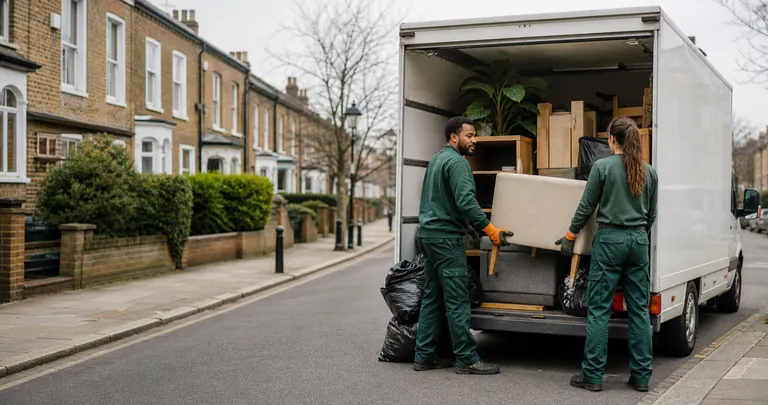
Local collection patterns
Household bags and furniture carried down a private staircase without blocking the business entrance or pavement.
A lift, loading bay or concierge slot arranged in advance, with communal fire routes kept clear throughout.
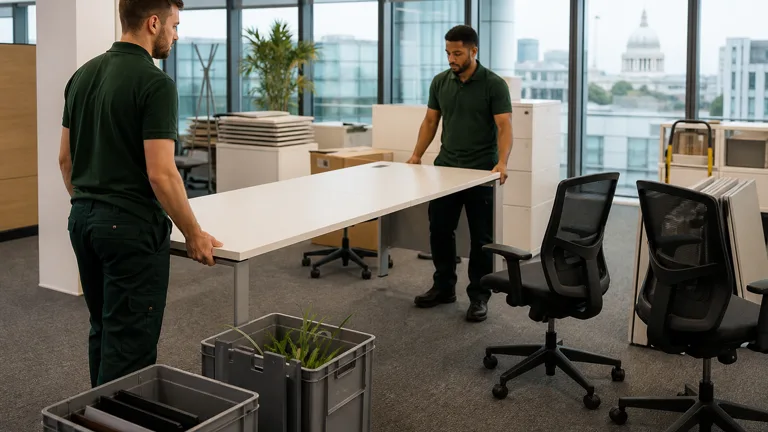
Displays, chairs, desks and packaging grouped by material and collected through the agreed service access.
Behind the address
A Shepherd’s Bush address may face a main road while its practical entrance sits in a side street, rear yard or gated development. A flat above commercial premises can involve a narrow private staircase; a newer block may require a concierge booking. The crew should know the correct approach before it arrives.
Photograph the complete load, then walk the route with your phone: room, landing, stairs or lift, final door and likely vehicle position. Note entry codes, time restrictions and courtyard distance. If the premises trade during collection, explain how customers remain separated from the carrying path.
Route and material map
| Job setting | Likely contents | Route detail | Important preparation |
|---|---|---|---|
| Flat above retail | Bags, mattress, small furniture | Private stair and side-door location | Keep the shop threshold clear |
| Managed block | Furniture and boxed contents | Lift booking, bay and concierge procedure | Confirm the permitted collection time |
| Terraced or converted house | Room contents and garden items | Hallway, front steps and street distance | Label items that must remain |
| Shop or studio | Displays, desks and packaging | Service entrance and trading hours | Separate electrical and trade material |
Paint, solvents, fuel, gas cylinders, asbestos, clinical waste and unidentified liquids are not ordinary general rubbish. Isolate and declare them before any quotation is treated as complete.
Main-road collections
Busy routes and bus movements can make an assumed kerbside stop impossible. Show road markings and nearby restrictions, and tell us about a side entrance or booked bay. We will assess the position from the evidence available, but the customer or premises manager remains responsible for permissions they control. Do not place waste on the public pavement while waiting.
Inside, check that furniture passes through every turn. Remove loose obstacles and keep residents’ doors accessible. A lift must be large enough and available for the agreed window. If the collection covers most contents of a dwelling, see our house clearance service; for a smaller upper-floor move, the flat clearance option may fit the brief better.
Pricing without surprises
From £55
From £120
From £180
From £240
The displayed bands are starting guides. The collection price is based on what is presented: volume, material type, weight and the work needed to move it safely. Stairs, a long courtyard, dismantling, restricted lift use or distance from a lawful vehicle position can increase labour. Any relevant supplementary charge is discussed before loading.
Do not estimate heavy refurbishment debris from its visual volume alone. Tile, rubble and soil can reach a weight limit quickly. Send separate pictures and approximate quantities, then use our builders clearance information to prepare that part of the job.
A brief the crew can use
Start with a written list and photographs. Count bags, identify furniture and electrical items, and describe dense material separately. A builder’s sack of broken tiles carries differently from a sack of packaging. For a commercial job, state the activity that produced the waste because apparently similar containers can require different handling.
We review the volume, weight, route and likely labour, then arrange the visit. On site, the responsible person shows the crew the agreed material. The final quote is given before loading. If the presented load or access differs materially from the brief, the team explains the change rather than beginning work on an unclear basis.
Count bags and name every bulky, electrical or dense item.
Photograph the load, internal route and lawful vehicle position.
Secure any concierge, lift, gate or loading-bay permission.
Approve the on-site scope and final quote before loading.
Mixed domestic and business waste
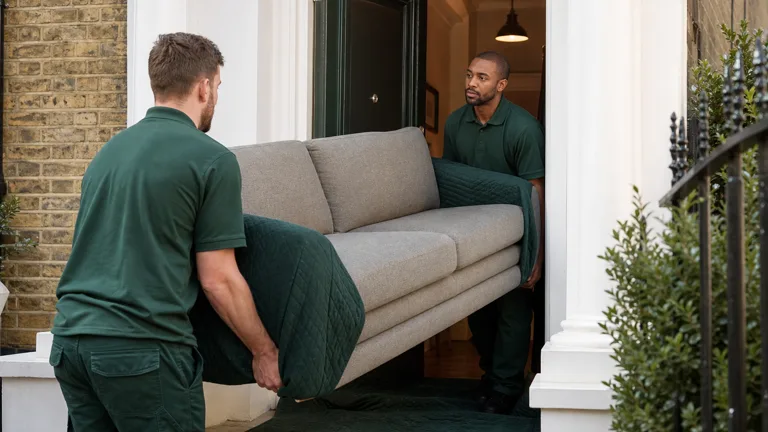
In a shared building, label only the items authorised for removal. Do not combine neighbours’ property, communal fixtures or goods awaiting collection by another contractor. Empty drawers and cupboards of keys, documents and valuables. For a tenancy change, one named person should make the final decisions on site.
Business premises should separate confidential paperwork, electrical equipment, food, liquids and ordinary furniture. Describe refrigeration or appliances accurately and arrange safe disconnection. Our office clearance service covers suitable workplace contents, while mattresses and bulky domestic pieces can be planned through furniture disposal.
Neighbouring west London areas
Shepherd’s Bush questions
Yes, when the private entrance, staircase, trading activity and workable vehicle position are explained before attendance.
Do not obstruct or store waste on public space. Keep it safely within the property unless a lawful arrangement explicitly says otherwise.
Arrange the permitted window and share the procedure with us. Include lift dimensions and any loading-bay registration requirement.
It can be assessed when each group and its source are identified. Keep electrical, confidential, liquid and restricted materials separate.
Limited dismantling can be considered when agreed beforehand. Send dimensions and photographs; extensive joinery or fixed installations are separate work.
They add carrying time and may change safe handling for heavy or bulky items. State the floor and show all turns and landings.
The crew reassesses volume, weight, labour and vehicle capacity, then explains the final price before any loading begins.
Show both ends of the route
Send photographs of the items, the correct entrance and the realistic vehicle position, plus any controlled-access time window.