Upper-floor move-out
Bags, small furniture and dismantled bed parts removed through communal stairs or a booked lift while shared circulation stays usable.
Flats, mews yards and busy residential streets
Acton collections often turn on one practical question: where can the vehicle stand while the crew carries the load? We match the waste list to the entrance, stairs and street position before assigning the job.

The Acton access brief
Acton includes mansion blocks, newer apartments, terraced streets and railway-side commercial units. A ground-floor pile beside a private drive is not equivalent to a wardrobe on the third floor with no lift.
Photograph the items where they stand, then show the entrance, tightest stair or doorway and likely vehicle position. State whether access is controlled by an entry system, concierge, loading bay or managing agent. That evidence describes the real collection rather than an imaginary kerbside pile.
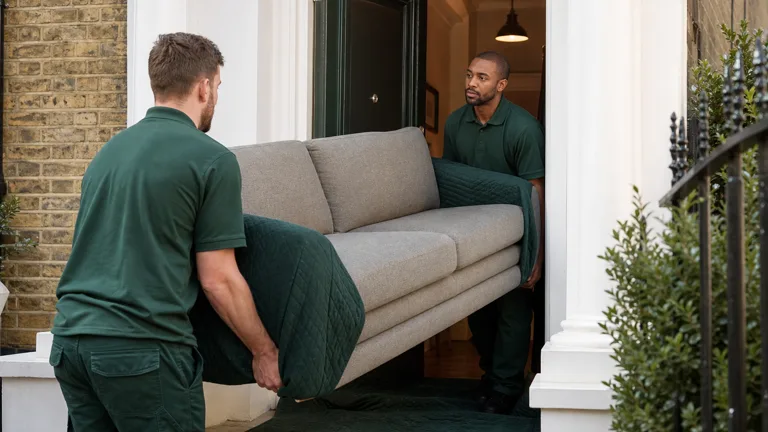
Blocks and controlled entrances
If a lift must be reserved, confirm the permitted time and dimensions. Protective covers, loading-bay registration or a concierge sign-in may also be required. We cannot override building rules on arrival. Share the contact procedure when you book.
Keep fire doors, pavements and communal halls unobstructed. Items can remain in their stated rooms when the route is described. For a multi-room job, our flat clearance service is a better starting point than treating every object separately.
Common Acton bookings
Bags, small furniture and dismantled bed parts removed through communal stairs or a booked lift while shared circulation stays usable.
A sofa, mattress, wardrobe or appliance collected after dimensions, disconnection and the carrying route have been checked.
Shelving, packaging, office furniture and accepted trade waste cleared without obstructing customers, neighbours or a common service yard.
Access-led planning
| Setting | Typical load | Access evidence | Check before booking |
|---|---|---|---|
| Purpose-built flat | Bags, bed, table, small appliances | Floor, lift size and booking rule | Concierge or managing-agent window |
| Terraced house | Furniture, loft boxes, garden items | Steps, hallway turns and parking distance | Items in every included room |
| Mews or gated yard | Workshop contents and shelving | Gate width, code and vehicle restrictions | Liquids, batteries and sharp items |
| Shop or office | Desks, displays and packaging | Service door, loading time and customer route | Business waste type and volume |
Do not place paint, chemicals, gas cylinders, asbestos, clinical waste, fuel or unidentified containers among ordinary bags. Declare questionable material before attendance.
A predictable collection
Send a wide view of the load and close images of dense bags, electrical items and awkward furniture. List the floor and rooms. If furniture may need dismantling, provide dimensions. Plumbing, gas and electrical disconnection must be completed safely beforehand.
We use this evidence to estimate the work. On arrival, the responsible person identifies the agreed items and receives the final quote before loading. Extra weight, volume or carrying time must be assessed so price and vehicle capacity remain clear.
Include wide views, dense bags and every bulky item.
Show stairs, lifts, gates, doors and the vehicle position.
Book any loading bay, lift or managed access window.
Confirm the presented scope and quote before loading.
Guide prices
From £55
From £120
From £180
From £240
The guide bands below help with early planning, but the final quote reflects the load actually presented. Material type, weight, volume and labour matter, as do flights of stairs, lift restrictions, dismantling, a long carry and waiting caused by controlled access. Applicable supplementary charges may be identified before work starts.
Dense rubble, tiles, soil and plasterboard should be described separately from furniture or bagged household waste. They can use a vehicle’s weight allowance quickly even when the pile looks small. For project debris, follow the information for builders clearance rather than estimating it as a light van load.
Furniture and appliances
A large sofa may have entered before a partition, handrail or replacement door was fitted. Record the item’s height, width and length, then measure the doorway, lift and tight stair turn. Tell us if legs or doors can be removed and whether agreed dismantling is required. The crew must not discover at the landing that the only route is unsafe.
Empty furniture completely and remove personal papers, medicine and valuables. Fridges, washing machines and similar appliances must be accessible and safely disconnected; water should be drained where appropriate. Use our furniture disposal service for clearly identified bulky pieces, and update the brief if another item is added before the appointment.

Around Acton
Acton questions
Yes, subject to a safe staircase and an accurate brief. State the floor, show turns and landings, and identify heavy or oversized items.
Follow the building’s rules and reserve it when required. Give us the permitted period and internal dimensions before the booking is confirmed.
Limited agreed dismantling may be possible when the construction and access are known. Empty it, send dimensions and do not assume extensive joinery work is included.
Show the likely vehicle position and explain restrictions. A legal, workable stopping point and the carrying distance are essential parts of the plan.
We can assess accepted commercial contents when the waste type, volume, access window and service route are provided in advance.
No. Paint, chemicals and unidentified liquids must be kept separate and declared so their acceptance and handling can be checked.
It may. Send an updated photograph before attendance because added volume, handling requirements and vehicle capacity can affect the final quote.
Plan the carrying route
Send the load, floor, entrance and vehicle position in one clear brief, and tell us about any building time restrictions.