Period converted flat
Furniture and boxes carried through shared stairs and halls after dimensions, retained items and delicate routes are identified.
Conservation streets, riverside flats and careful property routes
Richmond rubbish removal often requires a discreet, measured route through shared period buildings or managed riverside blocks. We establish stairs, porter rules and the lawful vehicle position before moving anything.
Richmond property routes
Period conversions can contain narrow turns, raised entrances and shared finishes, while riverside apartment blocks may direct contractors through a porter, service lift or rear loading area. Basement flats add external stairs and gates. Compact or controlled streets mean the vehicle may need to stand away from the front door.
Photograph the load in its rooms and then record the complete route. Include floor, lift dimensions, stair turns, entrance steps, gate width and realistic vehicle point. Remove art, ornaments and personal objects from the path. If building management controls access, provide the approved procedure rather than assuming the main entrance is available.
Richmond collection settings
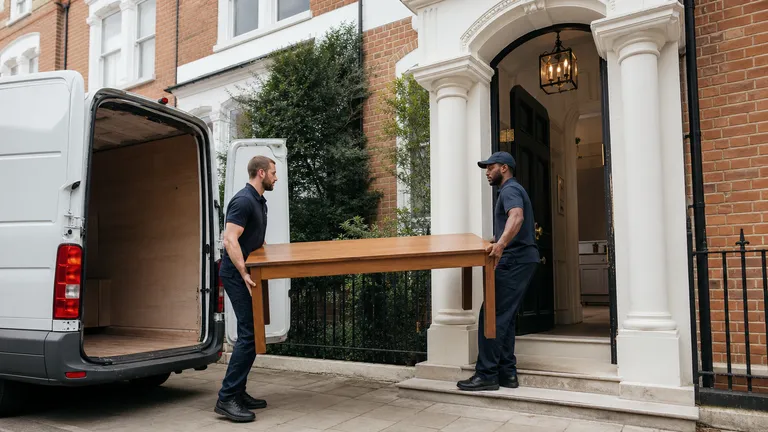
Furniture and boxes carried through shared stairs and halls after dimensions, retained items and delicate routes are identified.
Apartment contents moved through a reserved service lift and loading point under porter or concierge rules.
Beds, sofas and stored contents taken through external steps, gates or compact street access after the route is shown.

Shared interiors and restricted kerbs
Clear small personal belongings and alert the building contact where required. Show delicate floors or walls, but arrange any specialist protection demanded by management. Furniture must fit safely through the route; provide measurements and discuss limited dismantling in advance rather than discovering a blocked landing.
Outside, show restrictions and the distance to a legal vehicle position. Do not stage waste on a pavement or communal forecourt. For several rooms, our flat clearance service provides a room schedule and keeps retained furnishings explicit.
A selective property handover
List removals by room and label furniture that stays. Count bags and electricals and give dimensions for awkward pieces. Wide photographs show scale; close views identify construction, dense material and access concerns. Empty drawers of valuables and documents.
We assess accepted contents, volume, weight, route and labour. One authorised person confirms the final scope and receives the quote before loading. Uncertain property remains. If the route, vehicle point or item list changes, the job is reassessed openly rather than forcing an unsafe or unauthorised plan.
Create a room list and label all retained furnishings.
Record furniture, doors, stairs, lift and entrance gates.
Confirm porter, protection, service lift and loading rules.
Authorised contact confirms scope and final quote.
Bulky and retained furniture
Use unambiguous labels and remove art, loose ornaments, documents and valuables from the route. Empty cupboards before collection. Measure sofas, wardrobes and tables against the smallest door and landing. Limited dismantling may be agreed; fixed joinery and extensive carpentry are not assumed.
Dry, accessible beds and freestanding furniture can follow furniture disposal. Appliances need safe prior disconnection. The crew can work carefully, but specialist conservation protection, repair and cleaning are separate responsibilities.

Richmond route matrix
| Setting | Typical contents | Route evidence | Preparation |
|---|---|---|---|
| Period conversion | Bed, wardrobe, sofa and boxes | Floor, shared stairs, turns and front steps | Remove valuables and label retained pieces |
| Managed riverside block | Furniture, bags and appliances | Porter, service lift and loading point | Reserve time and arrange disconnection |
| Lower-ground flat | Furniture and stored contents | External steps, gate, headroom and pavement | Show damp and bulky dimensions |
| Mews or compact street | Household or project contents | Door, road restrictions and vehicle distance | Keep public and neighbour routes clear |
Fuel, paint, chemicals, gas cylinders, asbestos, clinical waste and unidentified liquids must remain separate. Dense renovation material requires weight assessment.
Richmond price guide
From £55
From £120
From £180
From £240
The bands are early guides. Final pricing reflects actual volume, weight, material and labour, including stairs, lift rules, basement access, dismantling, long carries and distance from a legal vehicle position. Applicable supplementary charges are explained before loading.
Dense tile, rubble, soil and plaster should be photographed separately and described by quantity. Use builders clearance for suitable project debris instead of including it with furniture.
Around Richmond
Richmond questions
Follow the building rules and confirm the service route, lift, time and loading position before attendance.
Remove personal objects and arrange any protection required by management, then show the route clearly.
Yes, subject to safe access. Show the full stair, gate, headroom, pavement exit and item dimensions.
No. Keep public and communal routes clear and hold the load within the authorised property until loading.
Limited agreed dismantling may be possible after its construction, dimensions and route are reviewed.
Building-required specialist protection must be arranged explicitly; ordinary collection care is not a conservation-service guarantee.
Provide the realistic legal position. Extra carrying distance can change labour, timing and the final quote.
Plan a measured exit
Send the selected-item list, furniture and route dimensions, building procedure and legal vehicle position.