Maisonette or upper flat
Beds, desks, bags and appliances carried down internal and communal stairs with neighbours’ routes kept usable.
Split-level flats, estates, studios and active high streets
Peckham rubbish removal may start on an internal maisonette stair, behind an estate gate or inside a working studio. We identify ownership, material type and the actual loading route before attendance.

Peckham’s mixed premises
Flats above shops, estate maisonettes, Victorian conversions and creative workspaces can sit close together but use different entrances and waste routes. An internal stair may add a full level after the communal door. A studio yard may contain materials that cannot be assumed to be ordinary rubbish. A busy frontage may make rear or side access essential.
Photograph each group where it belongs and state whether it comes from a household, business or project. Show internal stairs, lifts, gates, service doors and the lawful vehicle position. Give trading or caretaker times. Do not move waste into a communal bin store or pavement merely to create a single collection point.
Peckham collection scenarios
Beds, desks, bags and appliances carried down internal and communal stairs with neighbours’ routes kept usable.
Furniture, props and shelving listed apart from paints, solvents, batteries, oils and fixed equipment.
Freestanding displays and seating collected within an agreed service period, separate from food, glass, oil and daily waste.
Internal stairs and busy frontages
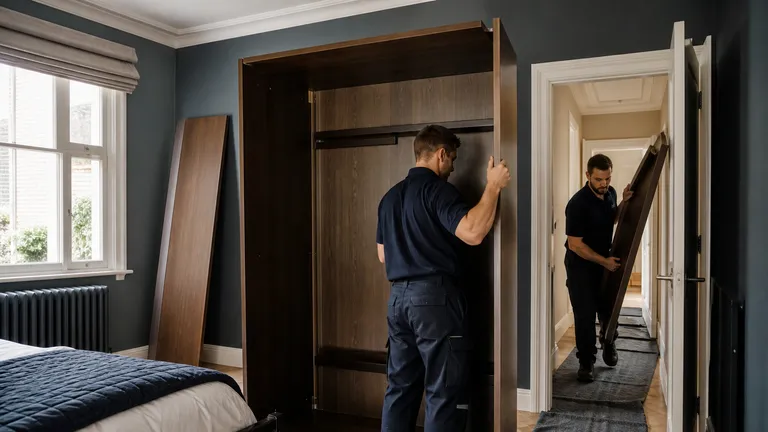
State the floor and whether the home contains another internal flight. Show every turn and landing, especially for mattresses, wardrobes and sofas. Estate gates or lifts may require a caretaker; commercial service doors may open only at specified times. Provide the correct contact and avoid leaving the crew to negotiate access on arrival.
Keep bicycles, buggies, customer areas and fire routes clear. If large furniture needs dismantling, send dimensions and construction details. Our flat clearance service suits several domestic rooms, while workplace contents may be better organised through office clearance.
A traceable handover
Count household bags and name furniture and appliances. For business or studio material, explain the activity that produced it and photograph labels on unusual containers without opening unsafe contents. Dense renovation sacks need material names and quantities. A wide view shows scale; close views show handling concerns.
We assess accepted material, volume, weight, route and labour. One authorised person confirms the final load and receives the quote before loading. Bags from a neighbour, communal store or another business are not included without authority. Fixed equipment, disconnection and specialist waste routes remain separate unless explicitly assessed.
Assign each group to a home, room, business or project.
Keep electrical, dense, liquid and specialist materials visible.
Show internal stairs, gates, service doors and loading point.
One contact approves the final scope and price.
Studios and high-street premises
Keep paints, aerosols, solvents, oils, adhesives, batteries and pressurised containers isolated and declared. Freestanding props or furniture need clear removal authority. Fixed benches, extraction, cabling and plumbing require prior specialist work. Do not ask the crew to infer contents from an unlabelled tub.
Cafés should separate food, glass, oil and cleaning products from one-off furniture or packaging. Offices and studios must address confidential data before listing computers. Suitable desks and chairs can follow office clearance, while household wardrobes and sofas can use furniture disposal.

Peckham load matrix
| Setting | Typical contents | Route detail | Keep separate |
|---|---|---|---|
| Maisonette | Beds, furniture, boxes and appliances | Internal stairs, communal exit and bay | Other occupiers’ and landlord property |
| Flat above retail | Household bags and furniture | Private stair and side or rear door | Shop threshold and delivery route |
| Studio or workshop | Props, shelving and equipment | Yard, shutter and working window | Paint, solvents, batteries and oils |
| Shop or café | Displays, tables and packaging | Service entrance and trading hours | Food, glass, oil and fixed fittings |
Chemicals, paint, fuel, gas cylinders, asbestos, clinical waste and unidentified liquids must stay outside general rubbish. Declare electrical and dense project material separately.
Peckham price guide
From £55
From £120
From £180
From £240
The bands are planning guides. Final pricing reflects actual volume, weight, material and labour, including internal stairs, lift or gate procedures, long carries, dismantling and timed commercial access. Applicable supplementary charges are explained before loading.
Tile, rubble, soil and plaster may use vehicle weight quickly. Describe them separately and use builders clearance for accepted project debris instead of treating dense sacks like light household bags.
Around Peckham
Peckham questions
Yes. Show both internal and communal flights, including turns and landings, so carrying time is understood.
Do not place private collection material in shared facilities without authority. Keep the load identifiable and routes clear.
No. Paint, solvents and other liquids must remain separate and be declared for an appropriate decision.
Yes, when the private entrance, stairs, trading hours and lawful vehicle position are described.
Fixed equipment is not assumed. Provide photographs and construction details for a separate assessment.
State the material and sack count. Dense tile or rubble affects capacity differently from packaging.
Send an updated scope and confirm authority. Added items can change volume, labour and price.
Separate the mixed-use load
Send the source of every group, internal and external route, access contact and material exclusions together.