Shared-house move-out
Beds, desks, bags and small appliances assigned to named rooms so remaining housemates’ property stays untouched.
Mansion blocks, shared homes and market-side premises
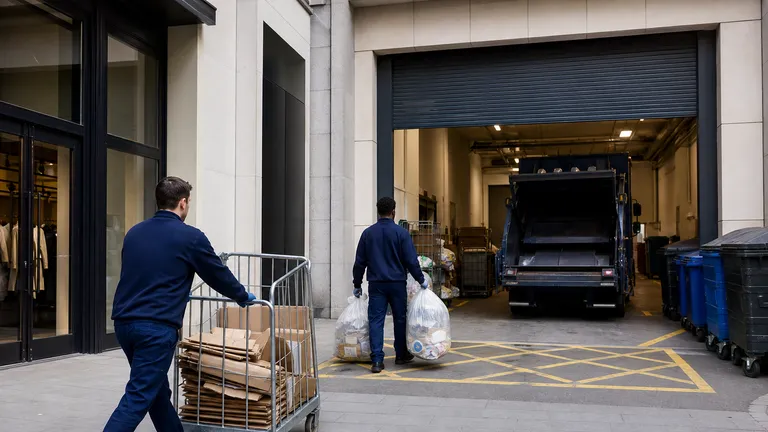
Brixton collections often need to work around busy pavements, active trading and shared residential stairs. We identify the private or service entrance and separate domestic contents from commercial waste.
Brixton access planning
Flats above shops, mansion blocks and shared houses may all use narrow or controlled entrances close to heavy pedestrian activity. Cafés, stalls, offices and studios add delivery periods and customer routes. A collection should not place furniture across a pavement or mix one occupier’s contents with communal or business waste.
Photograph each group where it belongs. Then show the private staircase, lift, service corridor, gate and realistic vehicle position. State the floor, trading hours and building contact. If several housemates are leaving at different times, label belongings by room and nominate one person to confirm the final collection.
Frontages and communal routes
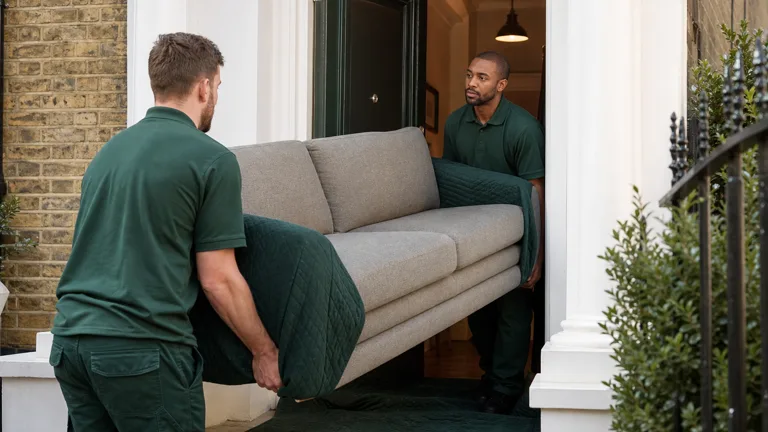
Keep items inside the authorised premises until the crew is ready. Show road restrictions and the actual service or side entrance, not just the customer-facing address. In a managed block, arrange the porter, lift and any loading-bay permission. In a shared house, clear personal shoes, bicycles and loose objects from the route.
Measure sofas, wardrobes and mattresses against stair turns and lift doors. Limited dismantling may be assessed in advance. For several rooms, our house clearance service provides a clearer room schedule than an unlabelled communal pile.
Brixton job types
Beds, desks, bags and small appliances assigned to named rooms so remaining housemates’ property stays untouched.
Furniture and boxes moved through porter, lift or stair procedures with common halls and fire doors kept clear.
Tables, displays and packaging collected in a permitted service period, apart from food, oil, glass and daily waste.
Brixton access matrix
| Setting | Likely contents | Route evidence | Keep separate |
|---|---|---|---|
| Shared house | Beds, desks, bags and kitchen items | Room labels, stairs and front entrance | Other housemates’ property |
| Mansion block | Furniture, boxes and appliances | Floor, lift or stairs and porter | Communal fixtures and fire routes |
| Flat above shop | Household furniture and bags | Private stair and side door | Trading entrance and deliveries |
| Café, stall or shop | Tables, displays and packaging | Service window and loading point | Food, oil, glass, chemicals and cylinders |
Paint, chemicals, fuel, gas cylinders, asbestos, clinical waste and unidentified liquids cannot be concealed in general bags. Business waste streams must be identified.
A named handover
List items by bedroom, flat or business area. Count bags, identify electricals and photograph bulky pieces and dense sacks closely. Housemates should settle ownership before attendance. Businesses should state what produced the waste and keep recurring food, glass or oil apart from one-off furniture.
We assess accepted material, volume, weight, route and labour. One authorised contact confirms the final scope and receives the quote before loading. Items from another resident, communal bin store or neighbouring business are not included without authority. Fixed fittings and specialist waste remain separate.
Label every group by room, flat or business.
Show private stairs, lift, service door and vehicle point.
Avoid peak customer, delivery and resident movement.
One authorised contact approves price before loading.
Brixton price guide
From £55
From £120
From £180
From £240
The displayed bands are planning guides. Final pricing reflects actual volume, weight, material and labour, including stairs, lift rules, long carries, dismantling and timed service access. Applicable supplementary charges are explained before loading.
Dense tile, rubble, plaster and soil must be photographed separately and described by quantity. Use builders clearance for accepted project debris rather than mixing it with household or trading waste.
Shared homes and food businesses
In a house share, empty drawers of documents, keys, medicine and valuables and use unmistakable labels. Appliances must be safely disconnected. Do not assume an item beside the front door belongs to the departing occupier. Suitable beds, wardrobes and sofas may use furniture disposal.
Food premises should separate oil, food, glass, cleaning products and cylinders from freestanding furniture or packaging. Connected refrigeration and fixed counters need prior work. Recurring accepted material may require daily rubbish collection rather than repeated emergency clear-outs.

Around Brixton
Brixton questions
Yes, when the private entrance, stairs, trading hours and legal vehicle position are provided.
Do not obstruct public or trading space. Keep items within the premises until agreed loading can begin.
Use room lists and clear labels, then nominate one person to confirm the final scope with the crew.
Follow building rules and confirm lift, porter and loading access before attendance.
No. Keep daily food, oil, glass and chemicals separate from one-off furniture and packaging.
Limited agreed dismantling may be possible after dimensions, construction and stair access are reviewed.
Do not include them without authority. Added material must be identified and reassessed.
Name the occupier and route
Send labelled load photographs, the private or service entrance, access window and one authorised contact.