Estate flat or maisonette
Furniture, bags and appliances removed through managed communal areas and any internal stairs without blocking residents.
Estate blocks, maisonettes, terraces and small workshops
Bethnal Green collections can involve a caretaker-controlled block, an internal maisonette stair or a rear workshop yard. We identify the correct route and separate household contents from trade or project material.
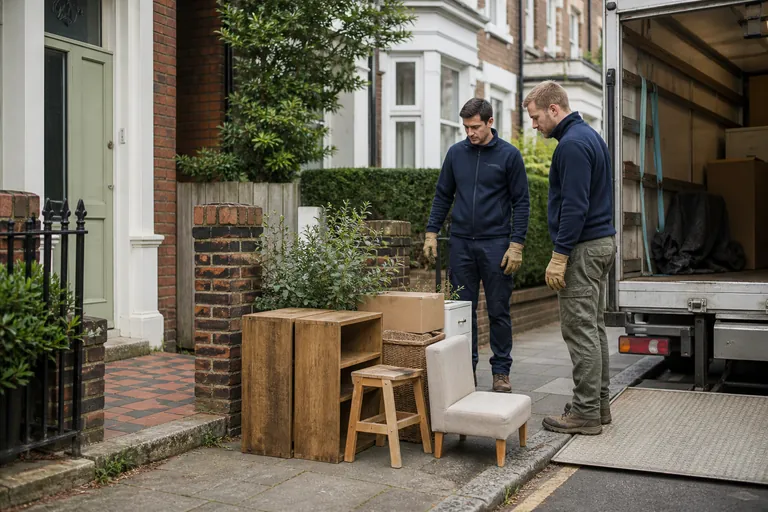
Bethnal Green access
Estate developments may have several pedestrian entrances, internal courtyards and vehicle gates controlled by a caretaker or intercom. Maisonettes add stairs inside the home even when the front door is on an accessible level. Terraced properties and workshop units may rely on narrow side passages or yards shared with other occupiers.
Send a pin or clear directions for the correct entrance, then photograph the route from the items to the vehicle position. Include lifts, internal stairs, gates and carry distance. Label each group by room or business unit. Waste should remain inside its authorised area rather than being left beside communal bins, where ownership and access quickly become unclear.
Local job types
Furniture, bags and appliances removed through managed communal areas and any internal stairs without blocking residents.
Selected rooms, loft boxes or garden contents inventoried separately and carried through a narrow hall or side passage.
Shelving, benches, packaging and accepted equipment separated from oils, batteries, chemicals and fixed services.

Blocks and courtyards
Confirm whether a vehicle can enter the courtyard and who releases the gate. Provide the permitted loading time and designated bay if one exists. Lift dimensions, outages and key controls should be checked with the building contact. A crew cannot occupy a fire route or wait with waste on a landing.
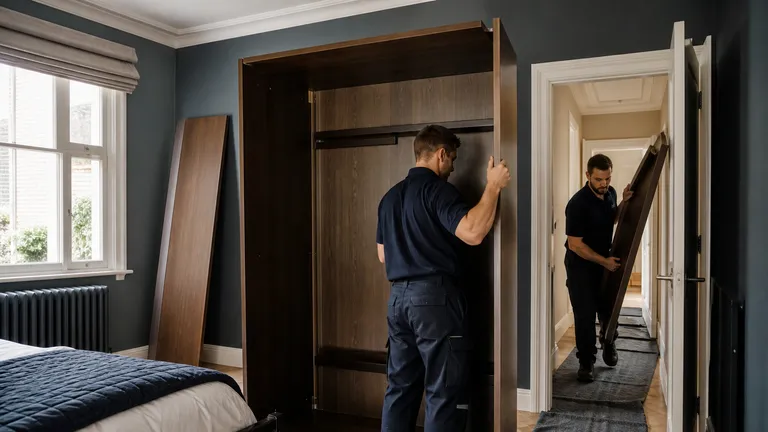
Inside a maisonette, show the internal staircase and identify which level holds each item. Measure wardrobes, sofas and appliances at the tightest turn. Our flat clearance service helps coordinate several rooms and keeps landlord, neighbour and retained family property outside the scope.
A clear load handover
Count bags and identify furniture, appliances, electrical items and dense sacks. Wide views establish scale; close photographs show labels and materials. For a workshop, explain what the unit does and do not combine unknown containers with furniture or packaging. For a home, label items that remain and empty drawers of keys, documents and valuables.
We assess accepted material, volume, weight and labour. One authorised person meets the crew, confirms the scope and receives the final quote before loading. Added bags from a communal area or neighbouring unit are not automatically included; ownership and contents must be clear.
Give the block, unit, floor and exact gate or entrance.
Keep household, electrical, dense and workshop groups distinct.
Confirm caretaker, courtyard, lift and bay access.
One authorised person approves the final load and quote.
Workshop and household preparation
Workshop units should isolate oils, solvents, paints, aerosols, batteries and pressurised containers. Do not open unidentified material or pour liquids together. Disconnect accepted freestanding equipment safely; fixed benches, wiring, extraction and plumbing require separate work. Keep neighbouring units’ property outside the collection zone.
At home, measure large furniture and separate electrical appliances. For stored tools and household items, garage clearance guidance may help organise the group. For beds, wardrobes and sofas, use furniture disposal after stairs and doorways are checked.
Bethnal Green route matrix
| Setting | Likely contents | Access evidence | Separate or confirm |
|---|---|---|---|
| Estate flat | Furniture, bags and appliances | Block, floor, lift, gate and bay | Caretaker procedure and retained property |
| Maisonette | Beds, wardrobes, boxes and household items | Internal stairs and communal exit | Bulky dimensions and dismantling |
| Terraced house | Room, loft and garden contents | Hall, front steps and side passage | Items in every included area |
| Workshop unit | Shelving, packaging and equipment | Yard, shutter, unit and working time | Oils, chemicals, batteries and fixed services |
Paint, solvents, oil, fuel, gas cylinders, asbestos, clinical waste and unidentified containers cannot be hidden in general rubbish. Declare them separately.
Price guidance
From £55
From £120
From £180
From £240
The displayed bands are initial guides. Final pricing reflects actual volume, weight, material and work, including internal maisonette stairs, lift limits, long courtyards, dismantling and distance from a legal loading point. Applicable supplementary charges are agreed before loading.
Dense rubble, tile, soil and plaster should be photographed and described apart from ordinary household or workshop contents. Use builders clearance for suitable renovation debris so vehicle weight is assessed correctly.
Around Bethnal Green
Bethnal Green questions
Give the block, gate, bay and caretaker procedure, plus a pin or photographs showing the route from the street.
Internal stairs still affect carrying time and bulky-item handling. Show which level holds each item.
Do not add private waste to communal areas without authority. Keep the agreed load identifiable inside the property or unit.
No. Oils, chemicals, paint, batteries and unidentified containers must remain separate and be declared.
Fixed installations are not assumed. Provide photographs and construction details for a specific assessment.
Limited agreed dismantling may be possible when its dimensions, construction and stair route are known.
Arrange reliable access before attendance. A changed external carrying route may affect labour and feasibility.
Identify the block and load
Send the exact entrance, floor or unit, internal route, gate procedure and separately grouped contents.