Shared-house turnover
Beds, desks, bags and small appliances assigned to named occupants while retained landlord and housemate property stays marked.
Shared terraces, upper flats and busy high-street premises
Tooting rubbish removal often involves several occupants, narrow residential stairs or a business entrance beside an active pavement. We identify ownership and the correct route before loading.

Tooting mixed occupancy
Terraced house shares, flats above shops and small high-street premises can all place different owners behind one entrance. Beds and desks may belong to departing tenants, while kitchen furniture remains with the landlord. A business below may use the pavement or rear access during deliveries. An unlabelled group at the door creates uncertainty and obstruction.
List domestic items by bedroom and shared area, or business contents by operational zone. Photograph them in place, then show stairs, doors, side or rear access and the legal vehicle position. State trading or delivery periods. Nominate one person who can approve the final scope rather than asking the crew to resolve ownership disputes.

Narrow stairs and active frontages
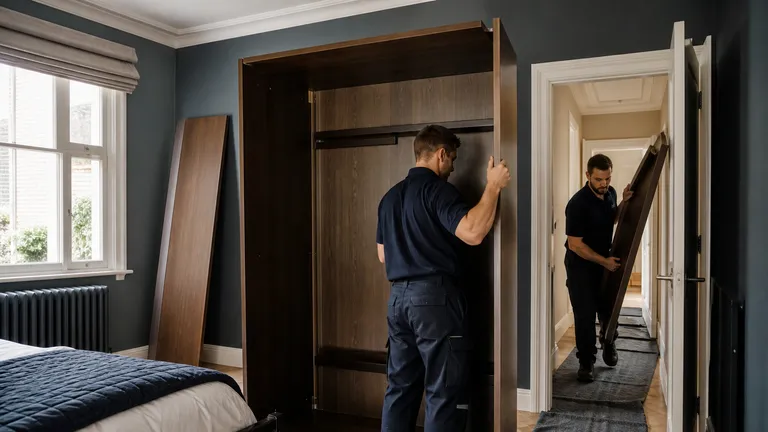
Do not stage bags or furniture in a communal hall or public pavement. Show the private entrance and every stair turn, particularly for mattresses, sofas and wardrobes. If rear service access exists, provide the gate, key and permitted time.
For a shared property, remove bicycles, shoes and loose belongings from the route without mixing them into the load. Appliances must be safely disconnected. Our house clearance service helps organise multiple rooms, while workplace furniture can be planned through office clearance.
Tooting collection patterns
Beds, desks, bags and small appliances assigned to named occupants while retained landlord and housemate property stays marked.
Furniture and boxes carried down a private staircase without blocking the shop threshold, pavement or delivery route.
Freestanding displays and furniture separated from food, oil, glass, chemicals, cylinders and recurring operational waste.
Tooting ownership matrix
| Setting | Typical contents | Route evidence | Keep separate |
|---|---|---|---|
| Shared bedroom | Bed, desk, wardrobe and bags | Room label, floor and stairs | Other occupants’ and landlord property |
| Shared kitchen or lounge | Sofa, table and appliances | Common hall and front steps | Fixtures, valuables and retained items |
| Flat above shop | Furniture and boxed contents | Private stair and side or rear door | Shop threshold and deliveries |
| Shop or food premises | Displays, tables and packaging | Trading window and service entrance | Food, oil, glass, chemicals and cylinders |
Paint, chemicals, fuel, gas cylinders, asbestos, clinical waste and unidentified liquids cannot be hidden in general bags. Business waste streams must be declared.
A single authorised handover
Count bags, name furniture and electrical items and use clear labels. Empty drawers of documents, keys, medicine and valuables. Businesses should describe the activity that produced each waste group and keep daily food, glass or oil outside a one-off furniture brief.
We assess accepted material, volume, weight, route and labour. The authorised person confirms the load and receives the final quote before loading. Items from another tenant or business are not included without permission. Fixed fittings, specialist waste and disconnection work remain separate.
Label domestic groups by room or business groups by zone.
Show volume, stairs, service entrance and vehicle position.
Avoid busy delivery, customer and communal access periods.
One contact approves the final scope and quote.
Tooting price guide
From £55
From £120
From £180
From £240
The bands are planning guides. Final pricing reflects actual volume, weight, material and labour, including stairs, long carries, dismantling, parking distance and timed commercial access. Applicable supplementary charges are explained before loading.
Dense tile, rubble, plaster and soil must be described separately. Use builders clearance for suitable project debris rather than placing heavy sacks among household or shop waste.
House shares and food businesses
Housemates should settle ownership and label furniture before the appointment. Dry mattresses and freestanding wardrobes can follow furniture disposal once route dimensions are known. Washing machines and other appliances need safe prior disconnection.
Food premises must separate food, oil, glass, cleaning chemicals and cylinders from old tables or packaging. Fixed counters, refrigeration and extraction are not ordinary loose items. A recurring accepted stream may need daily rubbish collection instead of ad hoc clearances.
Around Tooting
Tooting questions
Use a room list and clear labels, then nominate one person to confirm the final collection.
No. Keep fire and neighbour routes clear and leave items in their documented rooms until collection.
Yes, when the private stair, trading hours, entrance and vehicle position are described.
No. Food, oil, glass, chemicals and cylinders need separate handling and must be declared.
Safe plumbing and electrical disconnection must be arranged beforehand and is not assumed.
Limited agreed dismantling may be possible after its construction, dimensions and stair route are reviewed.
Send an update and confirm authority because extra material may change volume, labour and price.
Assign every item
Send the labelled inventory, private or service route, timing restrictions and one authorised contact.