End-of-tenancy leftovers
Mattress, small furniture and bagged contents identified room by room. The inventory should distinguish abandoned items from fixtures and anything belonging to the next tenant.
Terraced homes, garden jobs and flat clear-outs
From a sofa in an upper-floor conversion to cut branches at the end of a narrow garden, Fulham collections work best when every collection point is shown in advance. We carry agreed items from their stated location and price the real load before loading.
Look beyond the front room
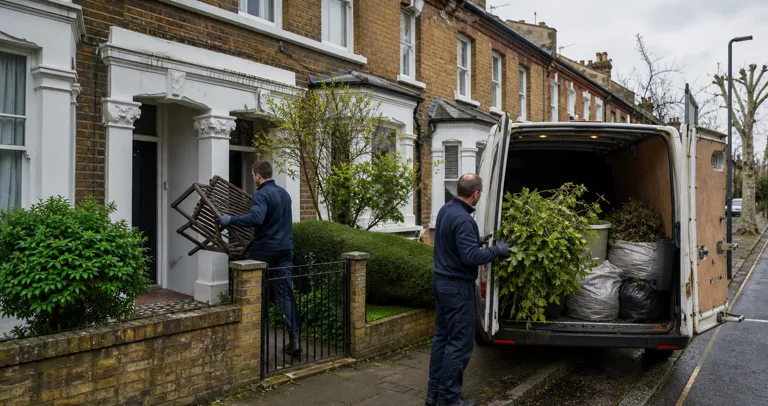
Many local clear-outs involve more than one level or storage area. A converted flat might have furniture above a shared staircase. A terraced house can place old timber and garden bags beyond the kitchen, with the only route running through the property. A landlord handover may include cupboards, a cellar and abandoned bulky items that were not visible during an initial inspection.
Walk through the whole address before sending the enquiry. Photograph each group, name the room or outside area and explain the route to the street. Mention internal steps, narrow side returns, basement stairs and any locked gate. A complete map of the job is more useful than a guess at the number of van loads.
Frequent local requests
Mattress, small furniture and bagged contents identified room by room. The inventory should distinguish abandoned items from fixtures and anything belonging to the next tenant.
Cuttings, branches and old outdoor furniture kept apart from soil, rubble, chemicals and treated materials. Rear access and carrying distance need to be shown.
Packaging, removed units and compatible non-hazardous debris declared by type. Dense sacks are assessed by likely contents and weight, not only by volume.
Rear access and through-carrying
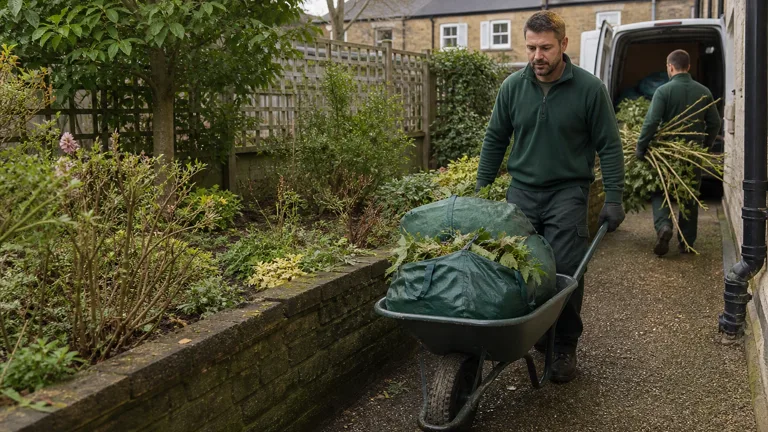
A side gate can make a garden collection straightforward, but only when it is wide enough, unlocked and clear throughout the agreed window. Where there is no usable side access, describe whether material must pass through the kitchen and hallway. Wet bags, loose thorns and long branches need sensible containment so floors, walls and people are protected.
Do not move garden waste onto a pavement before the crew arrives. If parking or loading is restricted, identify a realistic vehicle position and the distance from the front door. For suitable green material, see garden clearance; a mixed multi-room job may be better handled as house clearance.
Choose the right information
| Collection type | Typical items | Important detail | Service route |
|---|---|---|---|
| Flat clear-out | Furniture, bags, mattress | Floor, stair turns and shared entrance | House clearance |
| Garden work | Cut branches, leaves, outdoor furniture | Side access, distance and bag condition | Garden clearance |
| Refurbishment | Units, timber and declared debris | Material type and estimated weight | Builders clearance |
| Home office | Desk, chair, shelving and equipment | Electrical items listed separately | Office clearance |
Batteries, paint, solvents, gas bottles, asbestos, clinical waste and unidentified liquids must not be placed inside general bags. Keep them separate and ask before booking.
Bulky household pieces
A sofa or wardrobe may have entered before a partition changed, or may have been assembled inside the room. Measure the item and the tightest doorway or turn. Send clear photographs of legs, frames and fixings if dismantling might be required. Dismantling is considered only when agreed and safe; plumbing, electrical work and removal of fitted furniture are separate tasks.
Empty furniture of personal possessions and mark everything that is staying. For a single bed frame or table, furniture disposal may be sufficient. Report any extra pieces before collection rather than adding them when the vehicle arrives.
Include loft, cellar, shed and garden where relevant.
Record stairs, gates and room-to-vehicle distance.
Volume, weight, material and labour are considered together.
The final quote is agreed before loading starts.
Load guide
From £55
From £120
From £180
From £240
Guide prices assume compatible material within the stated volume and weight. The final quotation can change with waste type, heavy contents, stairs, long carries, dismantling, vehicle position and applicable supplementary charges. A pile of soil or tiles can reach a weight allowance while occupying little space, so describe dense material precisely.
Before collection day
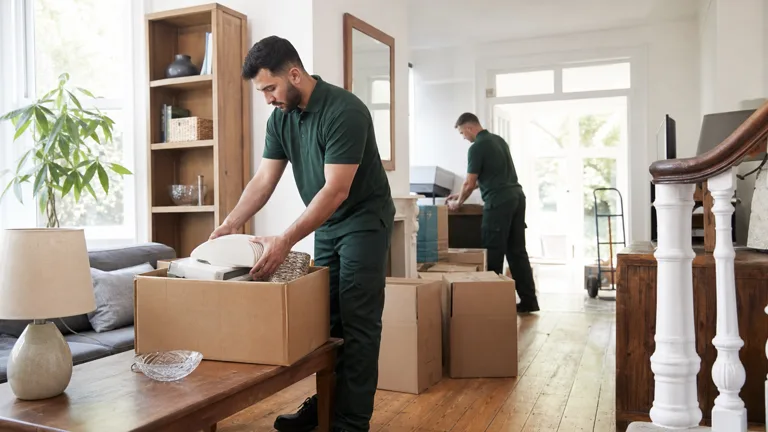
Separate possessions that are being retained and remove documents from drawers and boxes. If several people are involved in a move or estate clearance, appoint one contact who can authorise the collection. Arrange keys, entry codes and any landlord or building-manager access in advance.
Keep children and pets away from the carrying route. Do not create an unstable stack in a hallway or obstruct a shared exit. When the accepted load has been removed, the crew can give the immediate cleared area a practical sweep where possible. Deep cleaning, repairs and garden landscaping are not part of standard rubbish removal.
Collections close to Fulham
Fulham questions
Potentially. Explain the route through the property, steps and carrying distance, and package suitable material so it can be moved safely without shedding loose debris indoors.
No. The crew can collect agreed items from their described location, subject to safe access. State the floor and show stair turns before booking.
Soil is dense and should be identified separately. Send the amount and container type so its effect on weight and handling can be assessed.
Send updated photographs before attendance. Additional rooms or bulky pieces may change crew time, vehicle capacity and the quote.
Identify the appliance when enquiring and make sure it is safely disconnected and empty. Specialist electrical items may have separate handling requirements.
It may be possible with authorised access, clearly identified items and a reachable person able to approve the final quotation.
Same-day slots may be available depending on the team, the load and access. A complicated through-carry or managed flat may need more preparation.
Show every collection point
Send photographs, material details and the route from the furthest item to the vehicle.